Your privacy matters. We’ve updated our policies effective March 24, 2026.

LEARN MORE

VisualAge Generator (VAGen) modernization

VisualAge Generator systems are model-driven enterprise platforms that embed decades of business logic within encyclopedic architectures.

Synchrony’s Modernization Lifecycle Platform transforms these applications into cloud-native, service-oriented platforms. This is not code translation.

Our approach guarantees:

  • Functional equivalence through semantic analysis
  • No code freezes during transformation
  • Native outcomes in Java/Spring, .NET, or modern cloud architectures
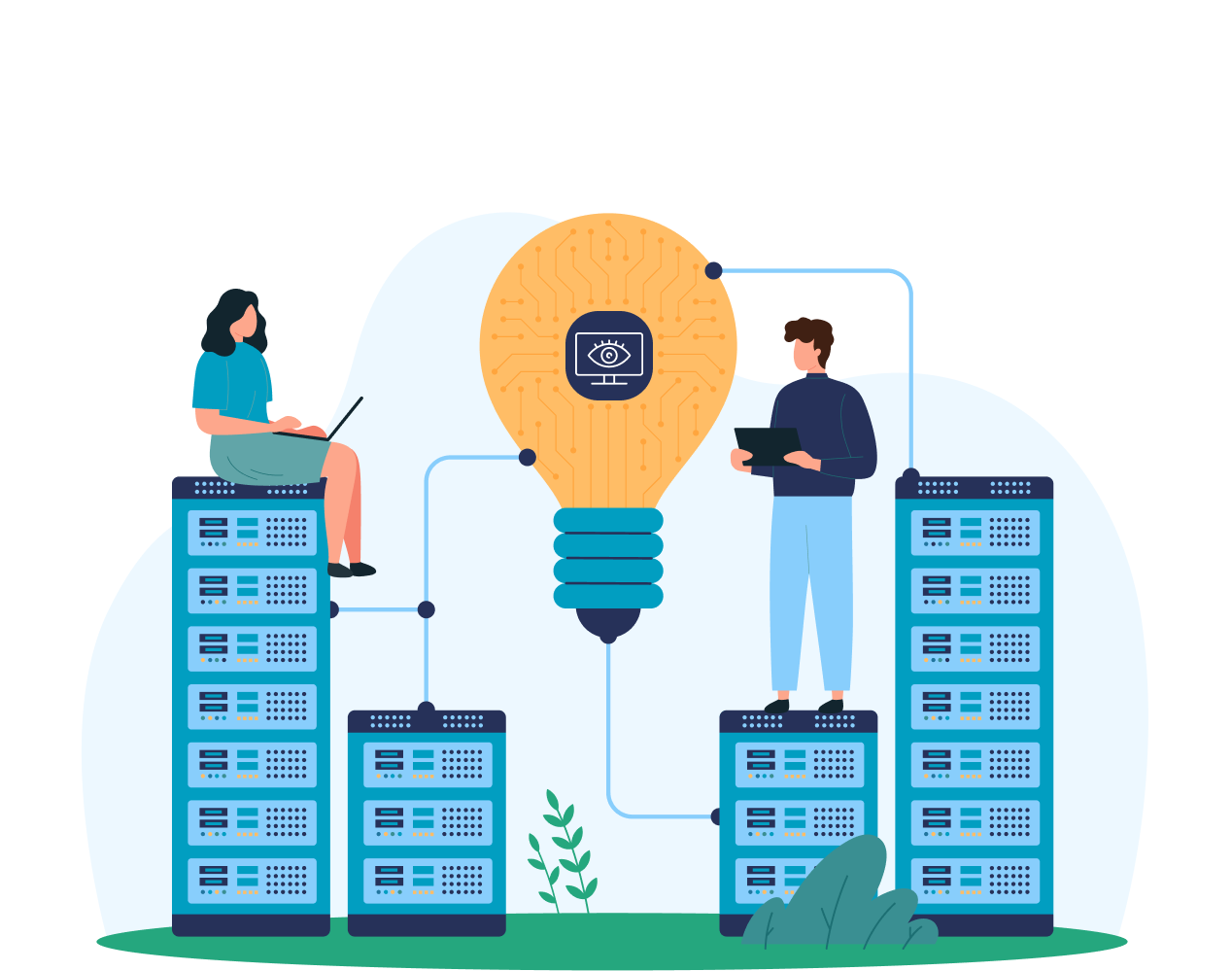
IBM VisualAge Generator (VAGen) concept art showing developers managing data servers linked to a central lightbulb with a visual monitoring eye icon.
IBM VisualAge Generator (VAGen) emblem with a teal circular border and a monitor icon featuring an eye symbol, representing visual development.

Why modernize VisualAge Generator terminals?

VisualAge Generator systems are model-driven enterprise platforms. Business logic lives inside encyclopedia architectures as interconnected semantic models, accumulated and refined over decades, generating code across mainframe, midrange, and client tiers simultaneously.

This architecture is also what makes standard modernization approaches fail. File-based converters working from generated COBOL or RPG never reach the semantic layer. Manual analysis cannot operate at encyclopedia scale. And the multi-tier dependencies woven through CICS regions, IBM i environments, and enterprise schedulers make platform-specific conversion strategies structurally inadequate.

These systems are outdated, but there is valuable business logic encoded in them that can’t be approximated.

Why VisualAge Generator modernization demands a different approach

VisualAge Generator is a model-driven engineering platform, a semantic encyclopedia, and a multi-tier generation environment.

VisualAge Generator systems rely on architectural foundations with no direct equivalents in conventional programming models:

Diagram representing encyclopedia-driven architecture, showing a central knowledge base with a brain icon connected to an enterprise building.

Encyclopedia-driven architecture

Applications defined as interconnected semantic models (procedures, action blocks, data models, etc.) stored in central repositories.

4GL (Fourth-Generation Language) abstraction diagram showing a vertical arrow passing through multiple layers of software logic.

True 4GL abstraction

Developers specified what the system should do; the platform generated how it was implemented across COBOL, C, RPG, and multiple runtimes.

Technical visualization of a massive semantic scale network, showing a complex interconnected mesh of data nodes and relationships.

Massive semantic scale

Enterprise encyclopedias contain hundreds of thousands - sometimes millions - of interrelated objects.

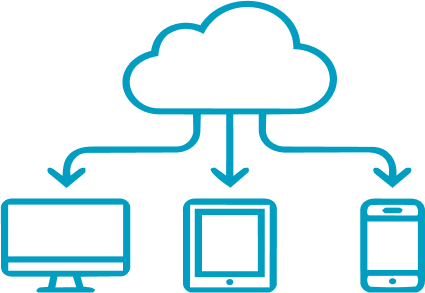
showing application generation and distribution from a central cloud to desktop, tablet, and mobile devices

Platform-spanning generation

Single Gen models generated to z/OS, IBM i, UNIX/Windows with 3270, GUI, and client/server front ends.

433 VisualAge Generator GUI screens modernized with zero operational disruption

A European joint venture modernized its VisualAge Generator and Smalltalk desktop environment to a web-based EGL RUI platform while active development continued. Synchrony preserved system behavior, reduced the codebase by 30%, and delivered validated functional equivalence through continuous modernization.


0

GUI screens modernized

0

Test cases executed

0
%

Code reduction

0

Months to production

Cover image for a Synchrony Systems case study titled “VAGen/Smalltalk to EGL; EGL RUI Upgrade Application Modernization,” featuring a globe wearing headphones against a blurred digital background, with the Synchrony Systems, Inc. logo in the lower right corner.

The only way to modernize VisualAge Generator

VisualAge Generator is an encyclopedia-driven, model-based platform where business logic exists as interconnected semantic objects stored in centralized repositories.

Synchrony preserves that architectural intent and transforms encyclopedia models into modern, service-oriented platforms:

1. Encyclopedias ingested as semantic models

VisualAge Generator business logic resides in encyclopedia objects, not the COBOL or RPG they generate. File-level code conversion misses this semantic layer entirely.

Synchrony ingests complete encyclopedias, builds comprehensive semantic models of action blocks and business rules, and constructs queryable representations before transformation begins.

Result: Tool-verified understanding of application structure and business intent.

2. Action block semantics preserved through transformation

VisualAge Generator systems express business logic through action block hierarchies with no direct equivalents in modern languages. Converting generated COBOL discards their architectural intent.

Synchrony analyzes action blocks semantically, identifies transaction boundaries and orchestration patterns, and re-expresses them as modern service constructs rather than flattening them.

Result: Service architectures that preserve original business logic fidelity.

3. Multi-tier dependencies orchestrated across platforms

VisualAge Generator systems express business logic through action block hierarchies with no direct equivalents in modern languages. Converting generated COBOL discards their architectural intent.

Synchrony analyzes action blocks semantically, identifies transaction boundaries and orchestration patterns, and re-expresses them as modern service constructs rather than flattening them.

Result: Service architectures that preserve original business logic fidelity.

4. Encyclopedia-scale complexity handled systematically

Enterprise VisualAge Generator environments contain hundreds of thousands of interrelated objects across applications and domains. Manual analysis cannot operate at this scale.

Synchrony builds portfolio-wide semantic graphs, analyzes cross-tier dependencies, and applies automated transformation pipelines with behavioral equivalence validation.

Result: Industrialized modernization at multi-million-object scale without sacrificing accuracy.

What next?

VisualAge Generator systems can move beyond encyclopedic runtimes while preserving the business logic encoded in their models.

Begin with an assessment of your encyclopedia and cross-tier dependencies, or see how our Modernization Lifecycle Platform (MLP) enables systematic Gen modernization.