Your privacy matters. We’ve updated our policies effective March 24, 2026.

LEARN MORE

EGL modernization & migration

IBM Enterprise Generation Language (EGL) applications are generation-driven systems. They embed business logic across templates, service bindings, and Rich UI frameworks that span mainframe, distributed, and web environments.

Synchrony’s Modernization Lifecycle Platform (MLP) modernizes complete EGL ecosystems into cloud-native, containerized platforms:

  • Preserved behavior across generated artifacts and service orchestration
  • Model-driven transformation beyond syntax-level conversion
  • Java/Spring, .NET, or TypeScript platforms with cloud-native deployment
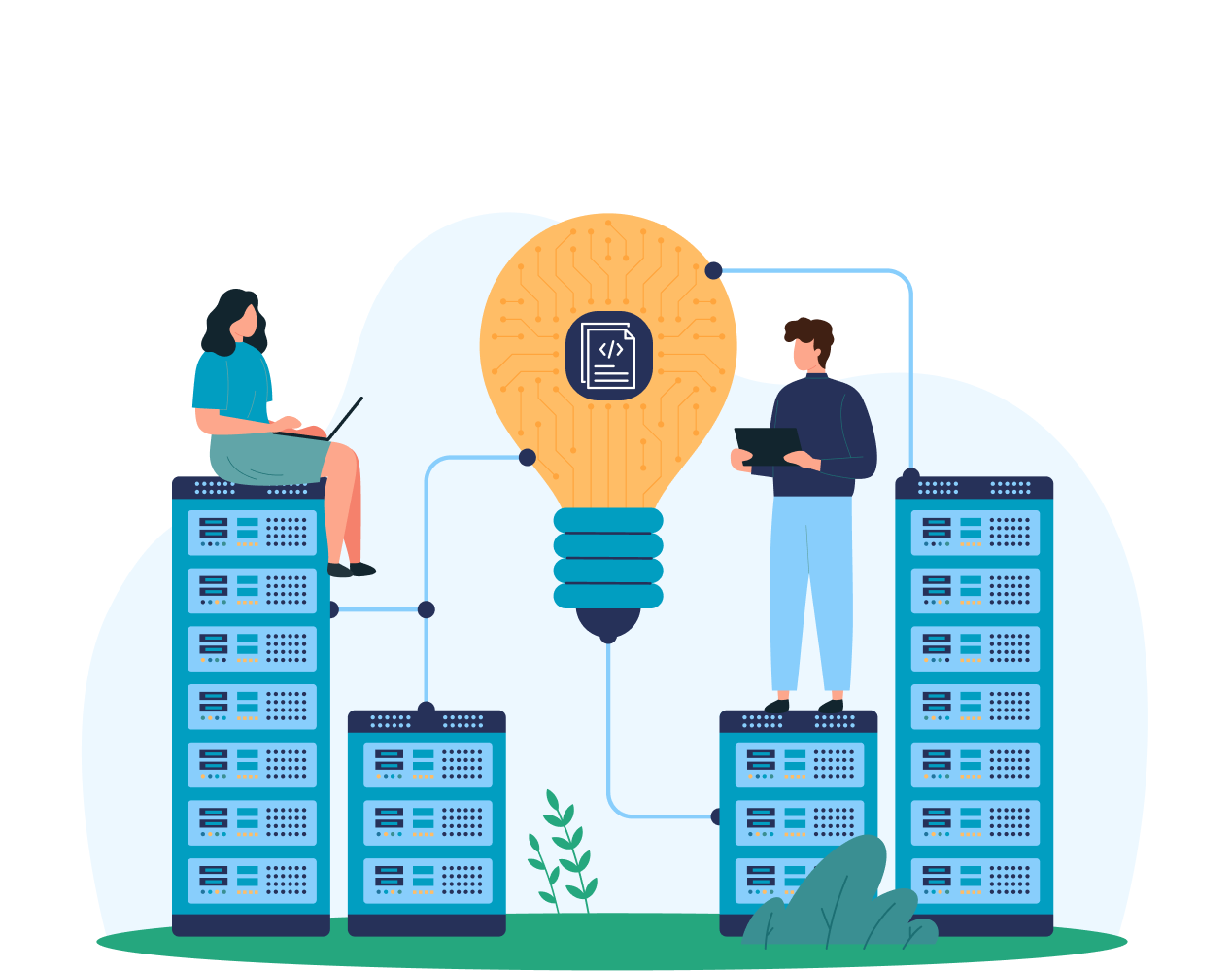
Enterprise Generation Language (EGL) modernization illustration showing technical experts and server infrastructure connected to a lightbulb with a coding document icon.
Enterprise Generation Language (EGL) emblem showing a teal circular frame with a transition icon from source code documents to a mobile device with a checkmark.

Why modernize EGL systems?

Thousands of organizations depend on EGL to orchestrate mainframe transactions, distributed services, and Rich UI applications. These systems encode years of business logic and integration patterns that keep enterprises running.

But the ecosystem around EGL is eroding. RBD tooling is disappearing, Rich UI is difficult to extend, and version-locked Eclipse build pipelines create deployment friction and staffing risk.

Replacement risks instability. Manual rewrites miss hidden coupling in generation templates and service bindings. Syntax-level conversion cannot see the framework conventions and generation infrastructure that define real system behavior.

Why EGL modernization demands a different approach

EGL is not a conventional programming language. It is a generation ecosystem with model-driven constructs, framework dependencies, and runtime expectations.

EGL systems rely on architectural characteristics that complicate modernization:

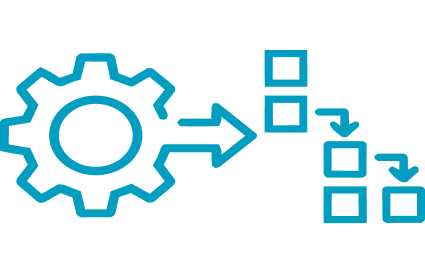
Process diagram showing generation-driven behavior where a central engine (gear) creates a cascading sequence of logic blocks.

Generation-driven behavior

EGL source generates platform-specific artifacts shaped by templates and build configurations. Behavior resides in both source and generated outputs.

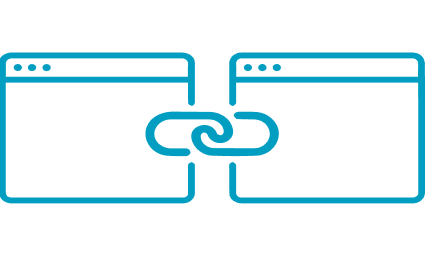
Technical diagram showing the tight coupling and linking of two Rich UI browser frameworks for integrated data flow.

Rich UI framework coupling

EGL Rich UI applications rely on widget hierarchies, implicit state management, event chains, and binding conventions. Interaction logic and data flow are shaped by framework-specific patterns.

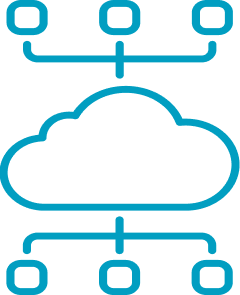
Cloud service integration pattern showing a central cloud hub connecting various upper and lower service nodes.

Service integration patterns

EGL programs orchestrate mainframe transactions, wrap COBOL services, and coordinate distributed systems through framework-specific bindings.

Logic gate diagram illustrating split business logic with filtering and rejection paths.

Split business logic

Business rules span EGL programs and backing COBOL, forming cross-platform dependency networks that are not visible through isolated code analysis.

433 EGL RUI screens upgraded with zero disruption

A European joint venture upgraded its 433-screen EGL Rich UI platform to the latest release while active development continued. Synchrony preserved system behavior and delivered validated functional equivalence through continuous modernization.


0

EGL RUI screens

0

Test cases executed

0

Months to production

0

Production downtime

Cover image for a Synchrony Systems case study titled “VAGen/Smalltalk to EGL; EGL RUI Upgrade Application Modernization,” featuring a globe wearing headphones against a blurred digital background, with the Synchrony Systems, Inc. logo in the lower right corner.

The only way to modernize EGL

EGL systems express behavior through layers that must be analyzed together: source code, generation templates, service binding conventions, and toolchain configurations. Synchrony accounts for these layers and transforms them into modern platforms that behave exactly like the originals.

This requires getting the following prerequisites right:

1. Generation templates analyzed alongside source

EGL behavior is not fully contained in source code. Identical EGL programs produce different results depending on target platform, template configuration, and build settings, meaning source-only analysis captures an incomplete picture.

Synchrony analyzes both EGL source and the artifacts it generates, tracing how templates shape runtime behavior, how service bindings are established by convention, and how cross-platform variations affect execution. Behavior is made explicit before transformation begins.

Result: Transparent modern architectures where behavior lives in code instead of hidden generation infrastructure.

2. Rich UI semantics carried into modern component models

EGL Rich UI builds browser applications through widget hierarchies, implicit state synchronization, and convention-driven event handling. These patterns have no direct equivalent in React, Angular, or other modern frameworks.

Synchrony extracts implicit state into explicit management, maps widget patterns to component models, and preserves event handling sequences and service call conventions before introducing modern async patterns. UI semantics are understood before they are replaced.

Result: Modern interfaces that behave like the originals while gaining the UX and maintainability advantages of current frameworks.

3. Cross-platform orchestration preserved across migration boundaries

EGL programs coordinate transactions across mainframe COBOL, distributed services, and databases, with business logic split between EGL orchestration and COBOL implementation.

Synchrony maps dependencies across EGL, COBOL, and external systems, defines business capability boundaries, and plans service extraction strategies before migration begins. Strangler-pattern approaches allow controlled coexistence rather than forcing a hard cutover.

Result: Modern services that maintain transaction semantics and managed mainframe integration throughout the transition.

4. Toolchain dependencies removed, not just worked around

EGL development depends on Rational Business Developer, version-locked Eclipse builds, and generation toolchains that create expertise scarcity and brittle operational constraints. Modernizing code without addressing the toolchain leaves the underlying problem intact.

Synchrony migrates build configurations to modern systems, enables standard CI/CD pipelines, and removes RBD dependencies, replacing version-locked environments with toolchains that contemporary development teams can actually work in.

Result: Teams operating with standard tools, observable systems, and workflows that don’t require specialized EGL expertise to maintain.

5. Data coupling resolved before schema evolution can begin

EGL record definitions and embedded SQL patterns tightly couple programs to database schemas in ways that block both data modernization and broader architectural change. Direct translation carries that coupling forward unchanged.

Synchrony analyzes record usage patterns, identifies where coupling constrains evolution, and designs encapsulation layers that separate application logic from schema structure, enabling schema evolution and data migration strategies to proceed independently of application changes.

Result: Flexible data access patterns that support architectural change rather than preventing it.

What next?

EGL systems can transition to modern architectures while preserving generation-driven behavior and framework semantics.

Start with a readiness assessment to evaluate your templates, services, and UI complexity, or explore how our Modernization Lifecycle Platform (MLP) supports structured EGL transformation.