Your privacy matters. We’ve updated our policies effective March 24, 2026.

LEARN MORE

3270/5250 terminal modernization

IBM 3270 and 5250 terminal applications power critical business operations through block-mode interfaces tightly coupled to mainframe and midrange systems.

Synchrony’s Modernization Lifecycle Platform (MLP) enables structured terminal modernization that preserves transactional behavior while transitioning green-screen applications to modern web interfaces.

Our approach delivers:

  • Preservation of validation rules and business logic
  • No disruption to active development
  • Browser-based access with modern integration options
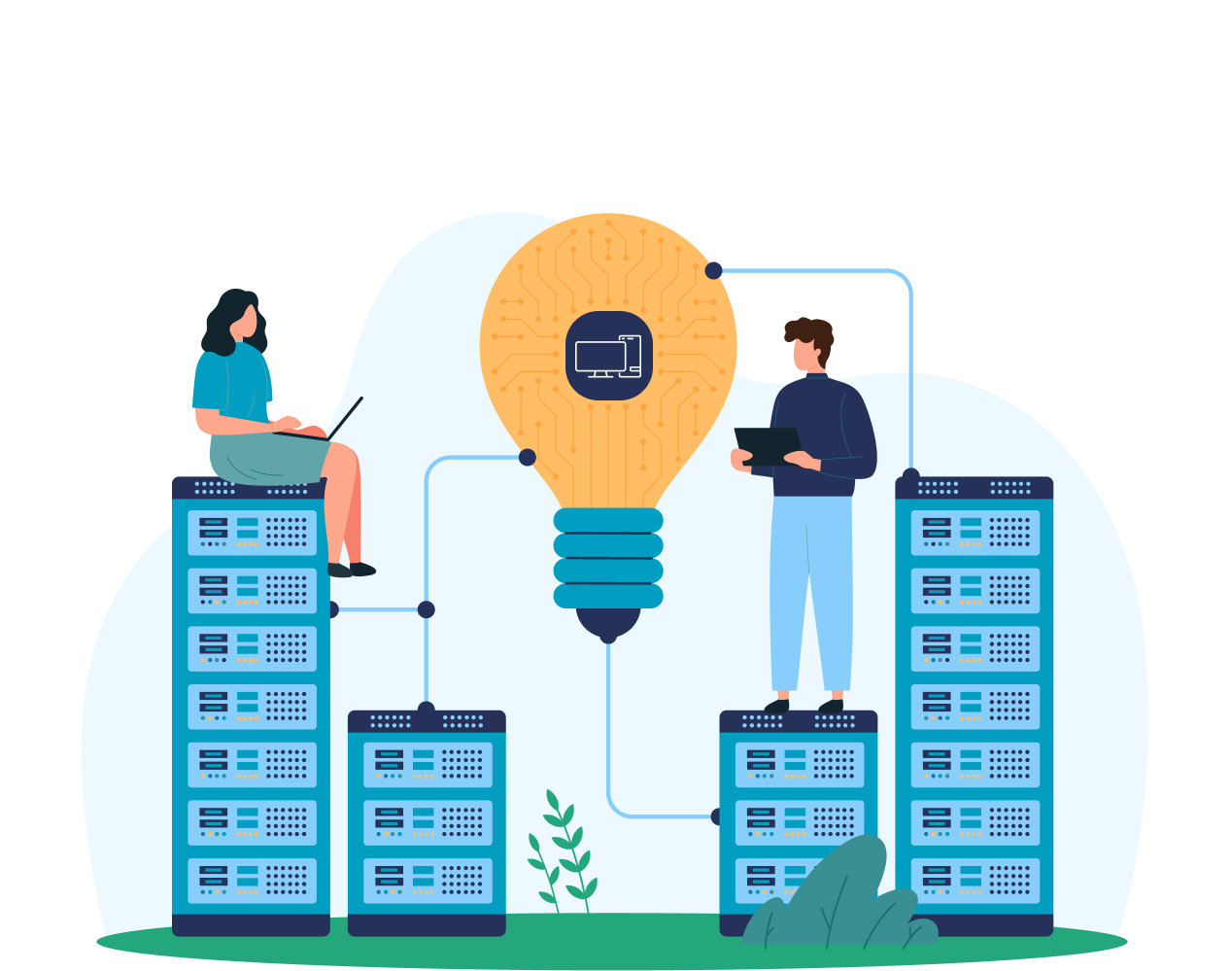
 

IBM 3270 and 5270 terminal emulation and facelift illustration showing developers connecting legacy server racks to a lightbulb icon of a modern workstation.
IBM 3270 and 5270 Facelift emblem showing a transition from a legacy terminal to a modern computer monitor within a teal circular frame.

Why modernize 3270/5250 terminals?

Thousands of organizations rely on 3270 and 5250 terminal interfaces to execute core transaction workflows. The validation rules, field-level constraints, and navigation logic embedded in these green screens represent decades of operational refinement.

Modern operating models introduce new constraints. Terminal protocols limit browser-based access, mobile enablement, and cloud integration, and they depend on specialized skills that are increasingly difficult to replace.

Conventional alternatives do not resolve these architectural realities. Screen scraping is fragile when terminal layouts change, browser emulators preserve legacy interaction models without modernization, and large-scale manual rewrites struggle to preserve validation logic and transactional behavior across thousands of screens.


Why 3270/5250 modernization requires a specialized approach

3270 and 5250 terminals implement block-mode interaction models where screens, fields, and navigation patterns encode business logic and validation rules.

Successful modernization requires understanding terminal-specific characteristics:


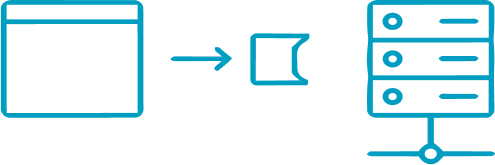
Technical diagram illustrating block-mode data transmission from a terminal interface to a mainframe server.

Block-mode interaction

Entire screens are transmitted as single units with protected fields, modified data tags, and field-level validation applied before host processing.

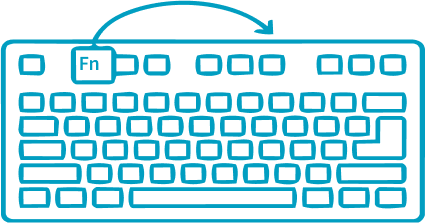
navigation mapping on a standard keyboard for legacy system terminal emulation

Key-driven navigation

Application flow is driven by function keys and program attention keys that trigger mainframe program logic.

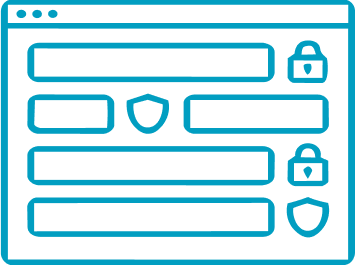
Web form security diagram showing field attribute protection with lock and shield icons on sensitive data input areas.

Field attributes

Field attributes control visibility, protection, intensity, and color, enforcing validation rules at the screen level.

Diagram showing embedded business logic flowcharts within a web browser interface.

Screen logic

Validation rules, cross-field dependencies, and calculated values are embedded in screen definitions rather than isolated application code.


The only way to modernize 3270/5250 terminals

Modernizing 3270/5250 applications does not require replacing mainframe systems or rewriting transaction logic. Synchrony preserves terminal behavior while enabling modern web delivery.

Terminal behavior is encoded in protocols, screen definitions, and communication patterns that do not translate directly to browser architectures. Modernization requires precision across the following areas:


1. Field attributes interpreted as business rules

Terminal field attributes enforce data integrity and validation at the screen level.

Synchrony interprets terminal data streams to extract validation rules and field dependencies, then generates web-native validation that enforces equivalent constraints.

Result: Web interfaces that maintain original validation behavior.


2. Function key workflows mapped to program behavior

Application flow is driven by function keys and AID events that trigger specific mainframe logic.

Synchrony maps key assignments to the program behavior they invoke and generates web controls that preserve workflow sequencing.

Result: Workflow logic preserved in a modern web interface.


3. Block-mode transaction semantics preserved

Terminal users edit fields locally and submit complete screens as transactional units.

Synchrony analyzes transmission patterns to identify transaction boundaries and generates web interfaces that preserve interaction timing and validation order.

Result: Transactional behavior maintained across modernization.


4. Screen layouts interpreted as structure

Screen layouts encode field relationships and grouping through positional design.

Synchrony parses screen definitions to extract structural relationships and generates responsive web layouts that preserve those associations.

Result: Modern interfaces that retain original screen organization.


5. Mainframe integration maintained 

Terminal applications depend on established communication and session patterns.

Synchrony maintains integration with existing host systems while modernizing the presentation layer.

Result: Seamless transition without disrupting core mainframe processing.


What next?

3270 and 5250 terminal systems can transition to modern web interfaces without rewriting proven mainframe logic or disrupting active users.

Begin with a readiness assessment to evaluate screen complexity, transaction patterns, and modernization paths, or explore how our Modernization Lifecycle Platform (MLP) enables structured terminal transformation.